Tenant Spotlight – Elevating the Future, One Ride at a Time
5 Feb 2026
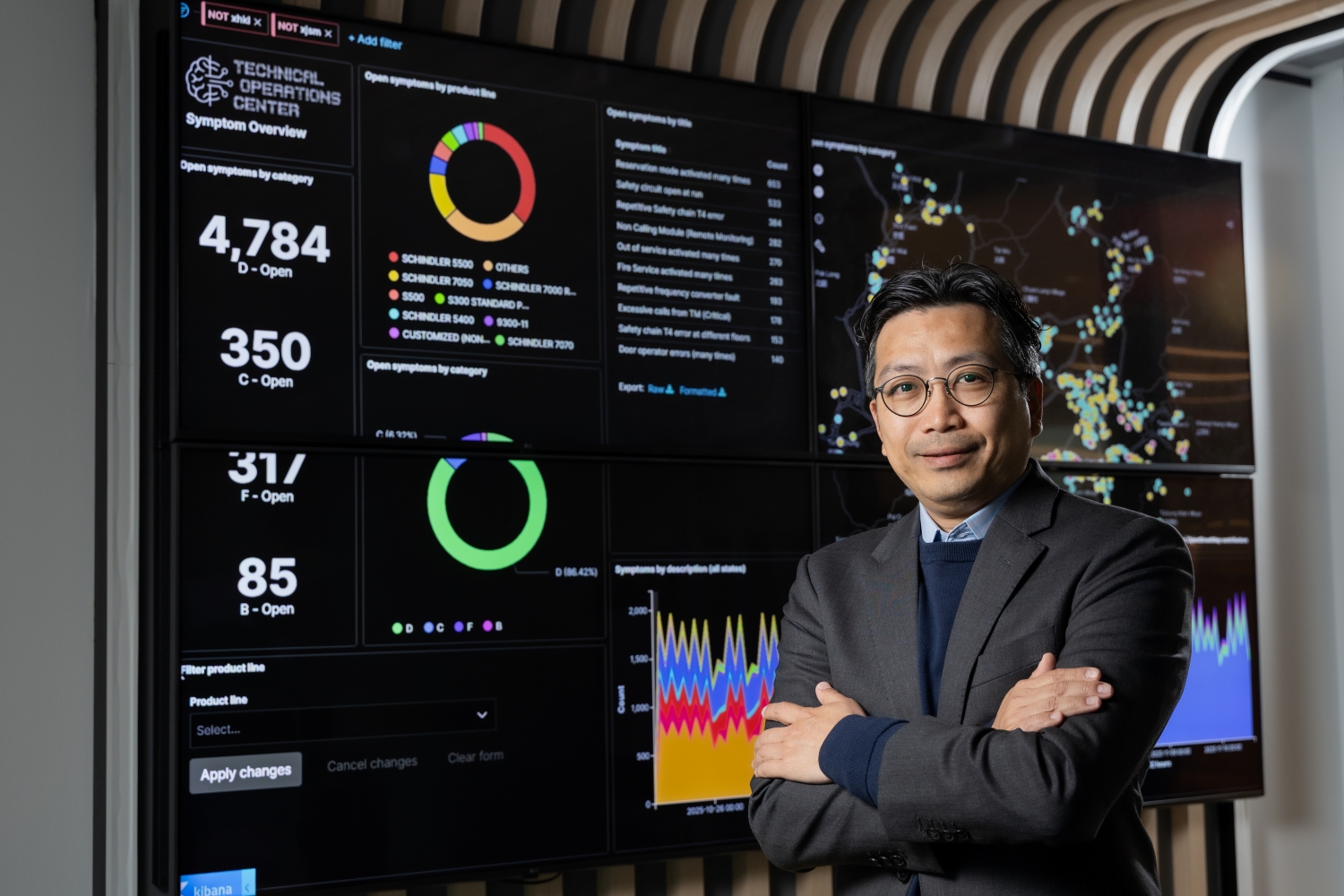
We’ve all taken an elevator or escalator, but beyond getting us from A to B, have you ever considered how they fit into the sustainability story of our cities? In this issue, Daniel Chan, Group Field Quality and Excellence Director at Jardine Schindler Group, shares how the 150-year-old global provider of elevators, escalators and moving walkways embeds sustainability commitments into everyday operations. As the company’s cross-functional sustainability lead, Daniel describes how Schindler advances change while moving people up, down and forwards, to get them where they need to be. He also explains how he sees opportunities through Swire Properties’ Green Performance Pledge (GPP) to deliver meaningful value for both the environment and people.
Let’s start with the big picture — how is Schindler turning sustainability goals into real action, especially here in Hong Kong and around the region?
Daniel:
Our target to hit net-zero by 2040 is backed up by measurable steps. We recently earned a place on the CDP A-list, recognising our commitment and carbon reduction efforts towards that goal. We also earned the platinum medal from EcoVadis, placing us in the top 1% of companies globally, a great recognition that we are not only leading in the right direction on environmental matters but also social and governance dimensions. For example, one of our important near-term targets is to achieve 100% renewable electricity by 2025. Some of our facilities in Vietnam and the Philippines, for example, have already installed solar panels that cover up to 40% of their total energy use.
We’re also cutting emissions through smart upgrades and tech. We have switched our fleet to hybrid or electric vehicles whenever the infrastructure allows. On our digital platform Schindler Ahead, the Internet of Things (IoT) system spots equipment issues before they happen. That means fewer breakdowns and emergency call-outs and less travel time for our technicians, which helps to reduce associated carbon emissions.
Beyond environmental targets, we view operational safety as a fundamental pillar of our sustainability commitments. As part of ensuring every journey is secure, we focus on enhancing accessibility for the wider community.
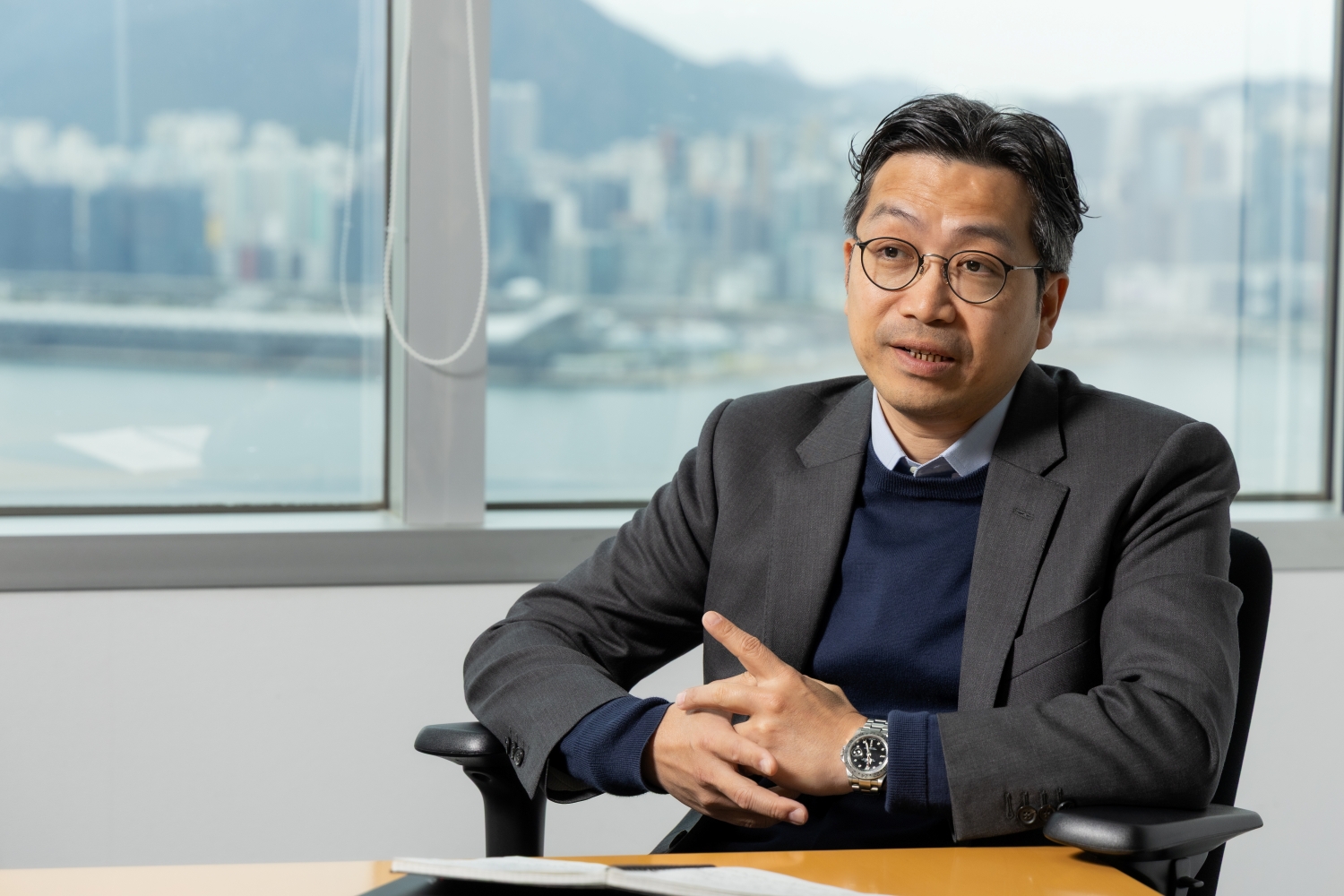
How do Schindler’s mobility solutions support sustainability through both their design and on-site application at developments like Taikoo Place?
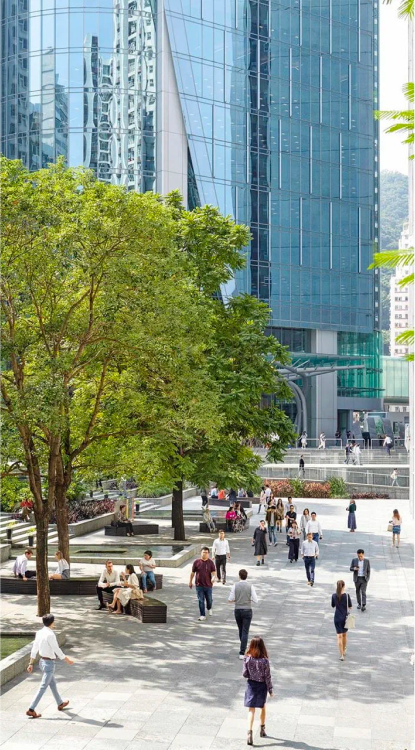
Did you know Schindler runs over 200 elevator and escalator systems at Taikoo Place and Pacific Place? That’s a lot of movement and a lot of opportunity to implement resource-optimising solutions.
Daniel:
Take our regenerative drive technology at Taikoo Place. Under certain operating conditions, elevators can produce energy instead of just consuming it. When a light car goes up or a heavy car comes down, the motor serves as a generator. That reclaimed energy is then redistributed to other elevators in the system, making overall use more efficient. Our intelligent building transit management system PORT can further optimise energy use across all elevators with its eco mode. This helps our clients reduce operational carbon associated with energy use. When lifts reach end-of-life, up to 90% of an escalator’s materials and around 80% of elevator components can be recycled. We are also piloting the use of low carbon steel to reduce the embodied carbon of our elevators going into the building in the first place.
As a supplier, we collaborate with partners like Swire Properties to innovate in ways that align with top-tier certifications like BEAM Plus Platinum. We’re rethinking capacity too. Installing double-decker lifts gives us twice the passenger flow using the same shaft, a smart way to improve throughput without extra space or resources.
And what about the people side of things — how are tenants and visitors seeing the benefits?
Daniel:
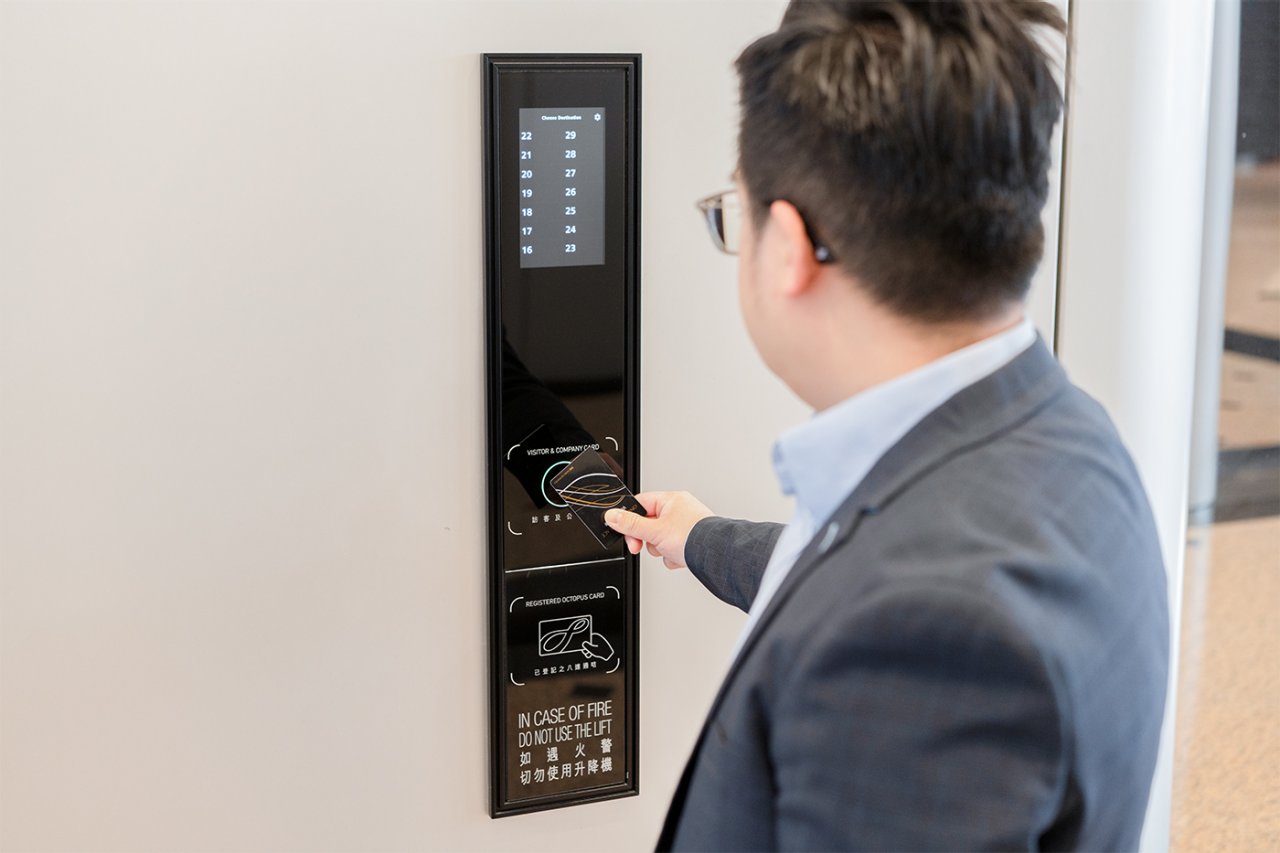
Our technology plays an important role in improving traffic flow. As a matter of fact, FWD Tower (formerly known as Devon House), was the first building in Hong Kong to adopt our pioneer Miconic 10 system, which is widely regarded as the world’s first practical destination control system. This innovation paved the way for our current Personal Occupant Requirement Terminal (PORT) technology, which can deliver up to 30% greater traffic efficiency, cutting waiting times for all users. By minimising queuing, we create a smoother flow throughout the building. This boosts what we call “perceived quality”, improving the psychological comfort and overall experience for tenants and visitors.
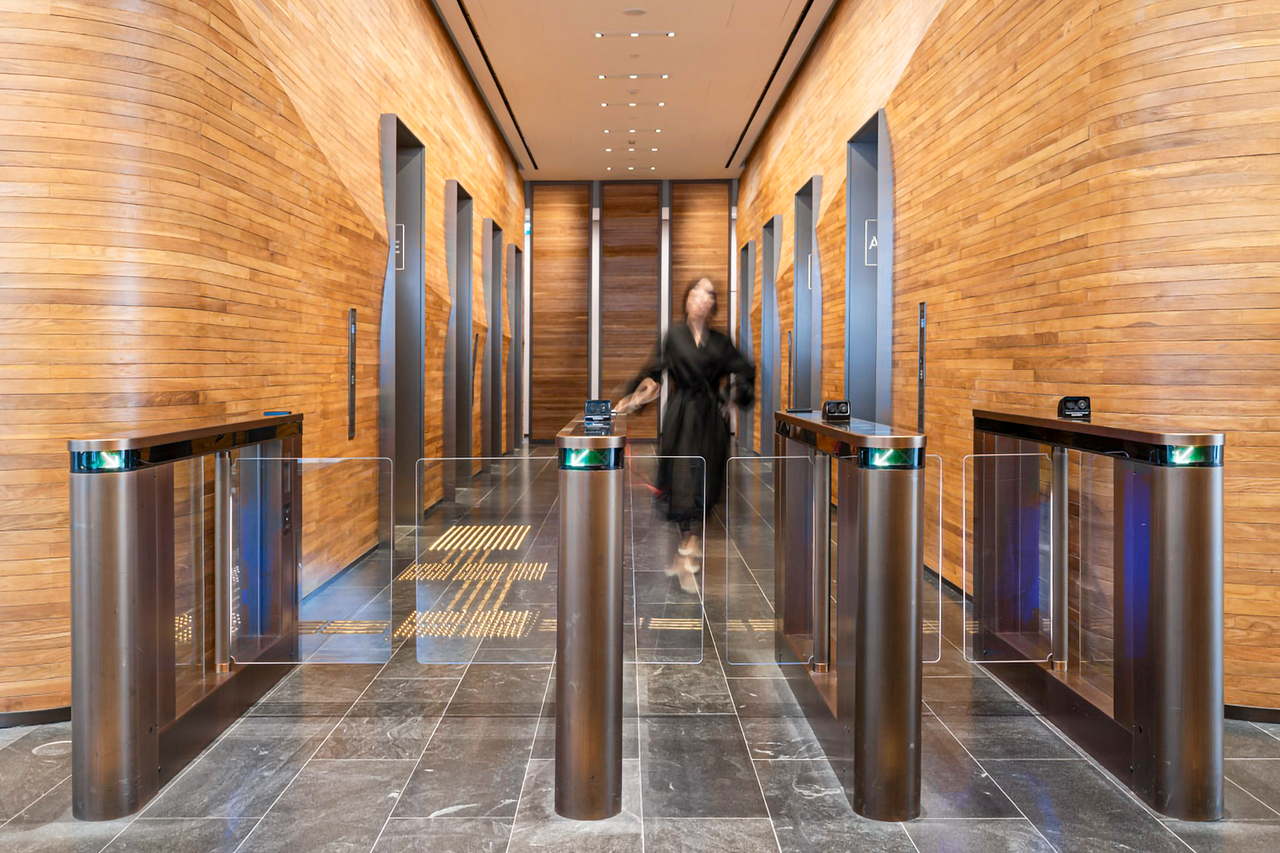
Meanwhile, accessibility is just as important as efficiency. Our PORT system connects with turnstiles, staff cards and even facial recognition to create a seamless experience. For users with special needs, such as those in wheelchairs or with hearing or vision impairments, the system adjusts mechanisms like door timing automatically.
We consult closely with government departments and community groups representing diverse needs to ensure inclusive features, such as large text, strong colour contrast and clear voice announcements. At Taikoo Place, the footbridges can be navigated by using the specially designed inclined lift for the elderly and wheelchair users who otherwise cannot use the stairs.
Mobility isn’t just about fancy tech. Not a lot of people realise how many human-centred considerations go into designing and managing elevators and escalators, and how these solutions are vital to our efforts in cultivating sustainable and inclusive communities.
What learnings and collaboration opportunities have stood out since Schindler joined the GPP programme?
Daniel:
We kicked off our GPP journey with Swire Properties around March of last year, and our early focus was simple: align our systems so we’re not duplicating efforts on data management. Since last July, we’ve already started energy and water metering.
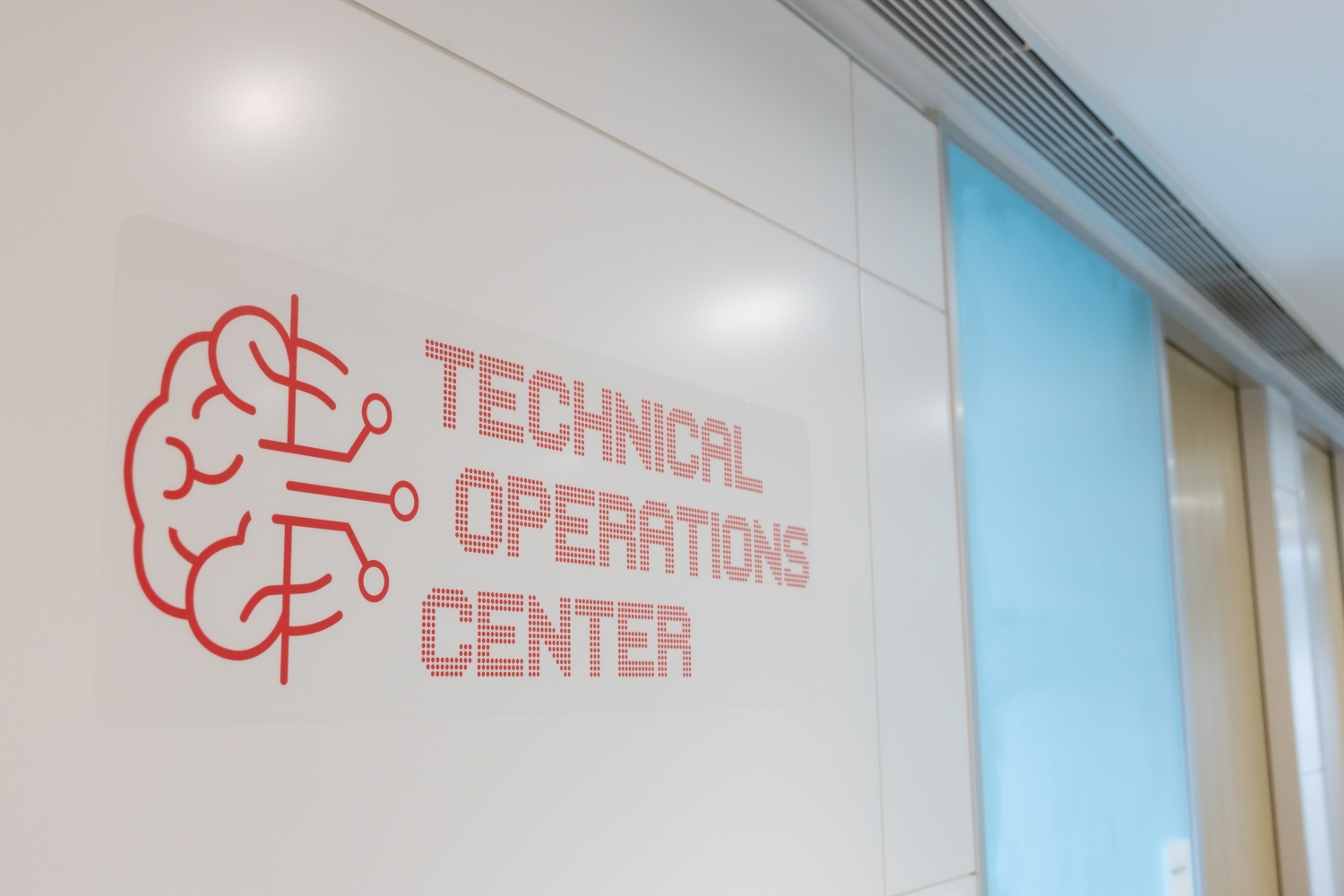
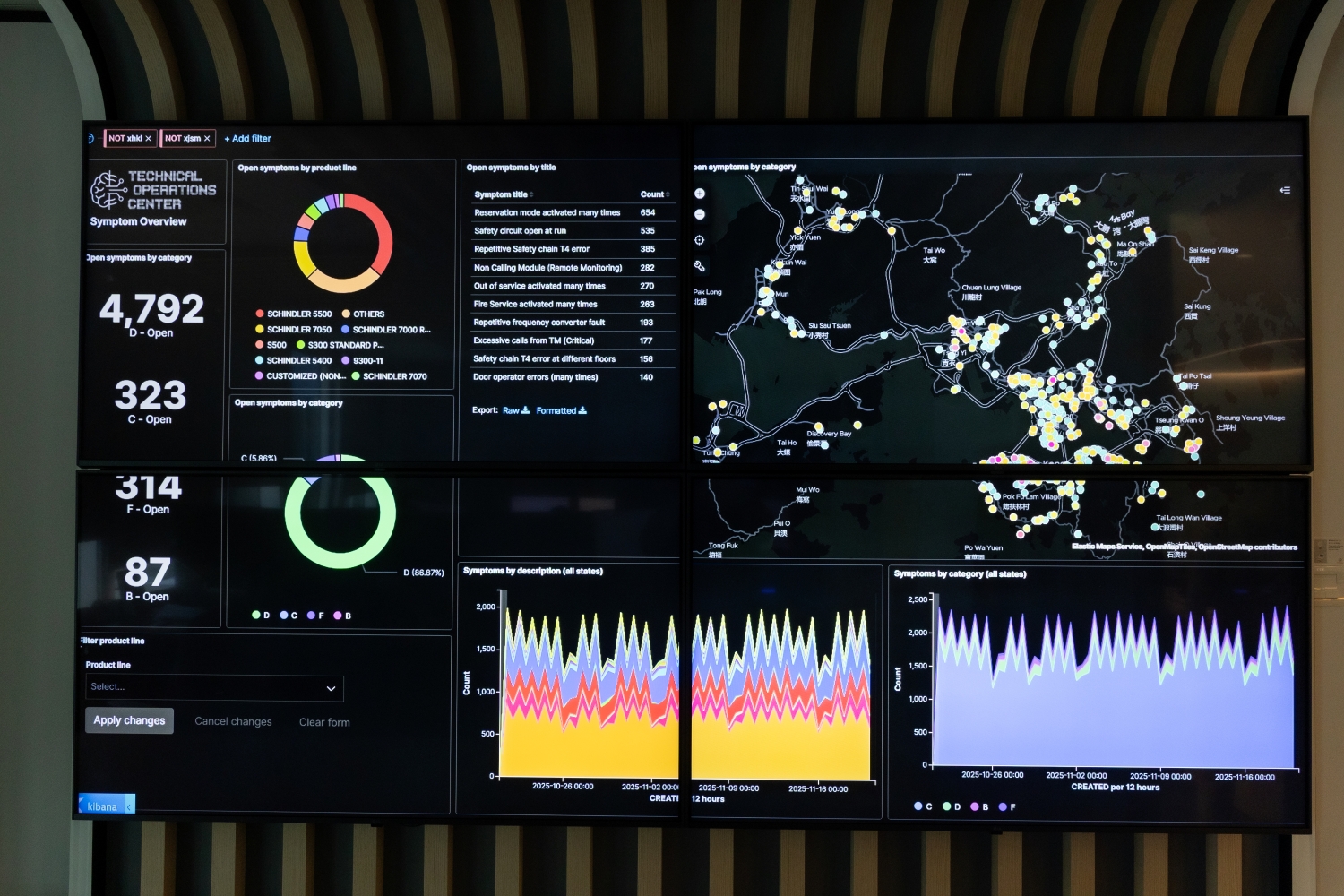
On the digital side, I’m particularly excited about further leveraging our Technical Operations Center — already in use for 24/7 equipment monitoring at One Island East, One Taikoo Place, and Two Taikoo Place — to explore joint safety and sustainability initiatives with Swire Properties in the future.
We also look forward to the GPP as a platform to promote inclusion and diversity and other social issues.
A lot of sustainable initiatives aren’t easy to see — how do you get employees on board and make changes stick inside the company?
Daniel:
At Schindler, sustainability is one of our six core values that shapes how our employees work. Embedding it into our culture is the best way to ensure consistency across territories. One of the toughest challenges is to translate sustainability-related benefits into everyday language, in order to help people understand why it matters.
To support this, we have created a Green Community Network across different countries that brings colleagues together to exchange best practices.
It’s not always easy. I often tell colleagues that embracing challenges is part of the journey towards excellence. Not everyone will be on board right away, and that’s okay. What matters is keeping the dialogue going, because the stakes are high. Personally, what motivates me is thinking about the future we’re shaping. Change doesn’t happen overnight, but every conversation gets us a step closer.
The GPP is our flagship programme towards achieving our SD 2030 Strategy and longstanding commitment to fighting climate change, in joint efforts with our office tenants in Hong Kong and the Chinese Mainland. Learn more about the programme on the GPP Website.