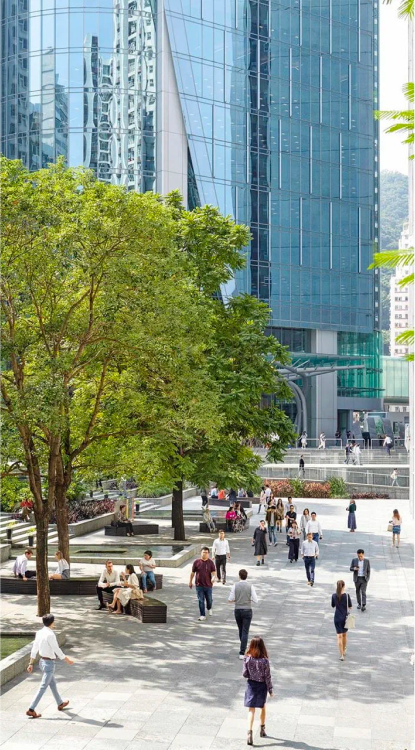
Swire Properties Spotlight – SD 2050 Strategy: Our Roadmap to Building the World’s Most Sustainable Communities
6 May 2026
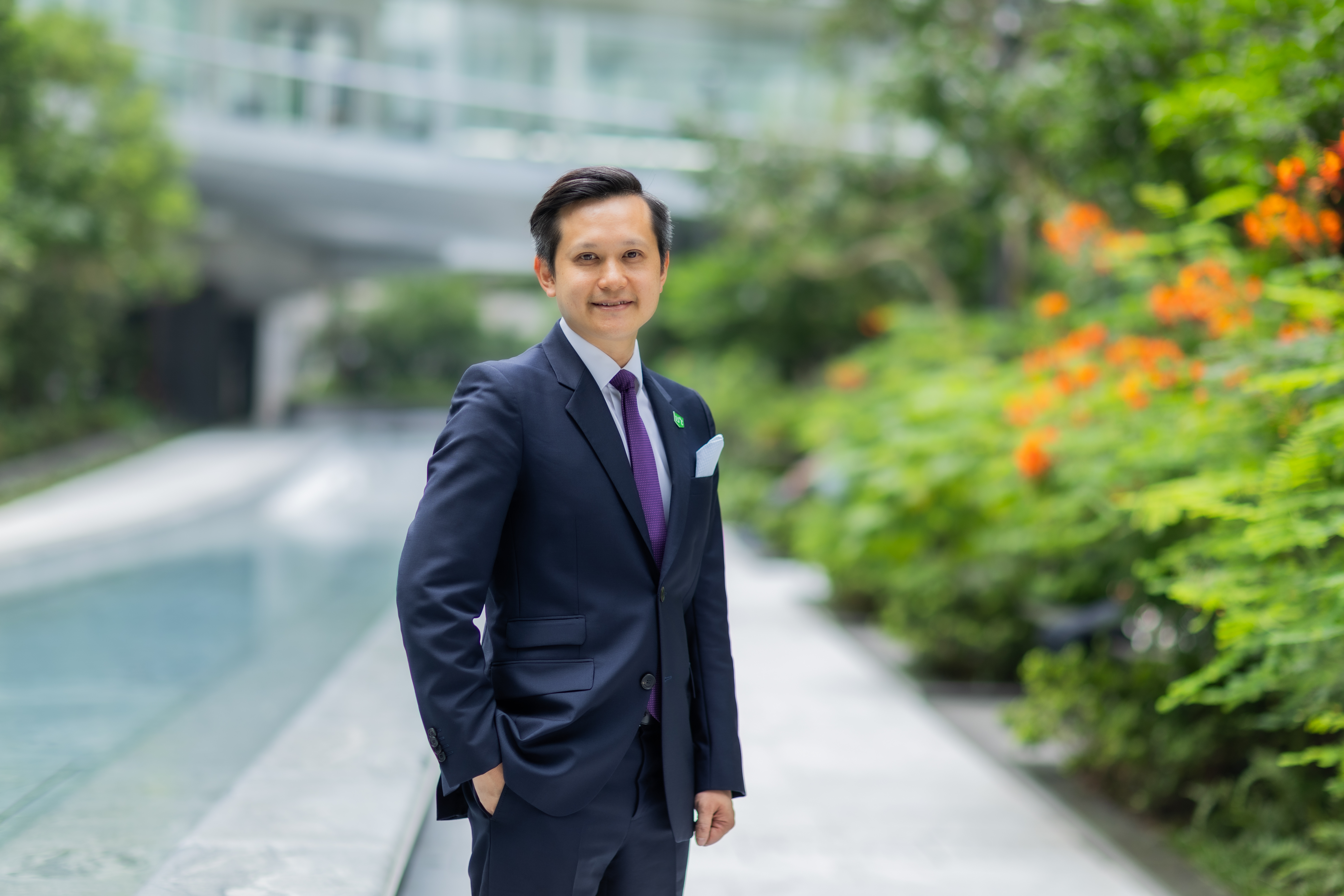
What does it take to build a sustainable, future-ready business in an increasingly complex world? For Swire Properties, the answer lies in continuous evolution. Having achieved—and in some cases surpassed—the majority of its sustainability targets set 10 years ago, the company is now embarking on its most ambitious chapter yet: the Sustainable Development (“SD”) 2050 Strategy. Building on a decade of steady progress, this next phase bridges long-term vision with immediate value for tenants, partners, people, planet and communities. We sat down with Patrick Ho, Head of Sustainable Development, to discuss the milestones achieved so far and the strategic path ahead.
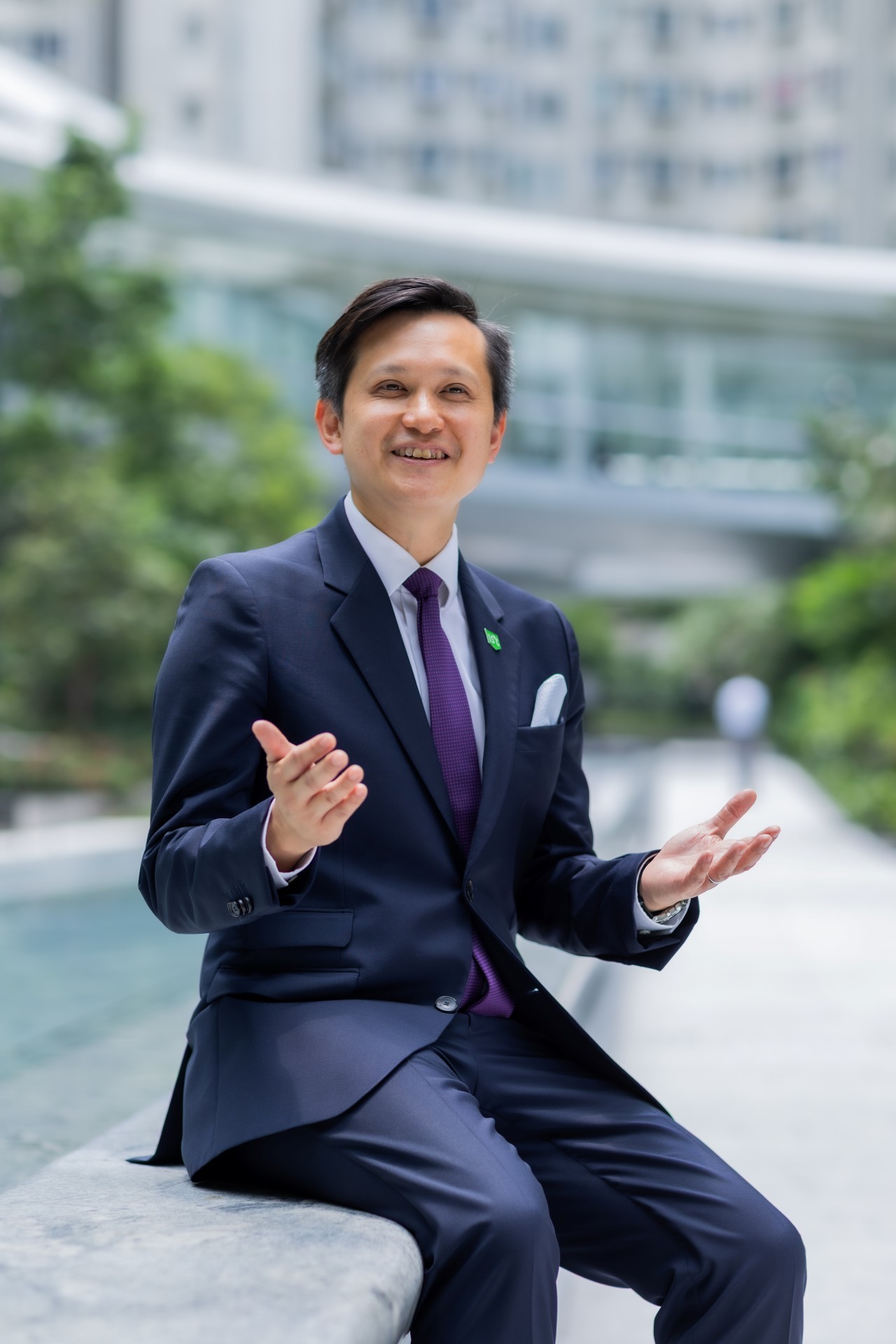
Patrick, your background is in ecology. How did your early days working in nature conservation shape the way you approach your role at Swire Properties today?
Patrick:
I’ve always been drawn to nature, it’s what led me to start my career at WWF Hong Kong, working on nature conservation projects in biodiversity hotspots like the Mai Po Nature Reserve and Hoi Ha Wan Marine Park. Later, I moved into leading climate change-related initiatives, supporting the launch of Hong Kong’s first personal carbon footprint calculator in 2011, alongside a pioneering carbon auditing and management tool for businesses. Over time, I realised that while businesses can contribute to environmental challenges, they also have the scale and influence to drive meaningful positive change.
I joined Swire Properties ten years ago, just as the Sustainable Development 2030 Strategy (SD 2030) was being developed. Being part of that journey and now leading SD 2050, have been deeply fulfilling chapters—opportunities to advance something I am truly passionate about. It has reinforced my belief that the best outcomes come from creating places where business, people and nature can thrive together.
Looking back at the SD 2030 Strategy, how has the company’s progress to date established the foundation for the next chapter?
Patrick:
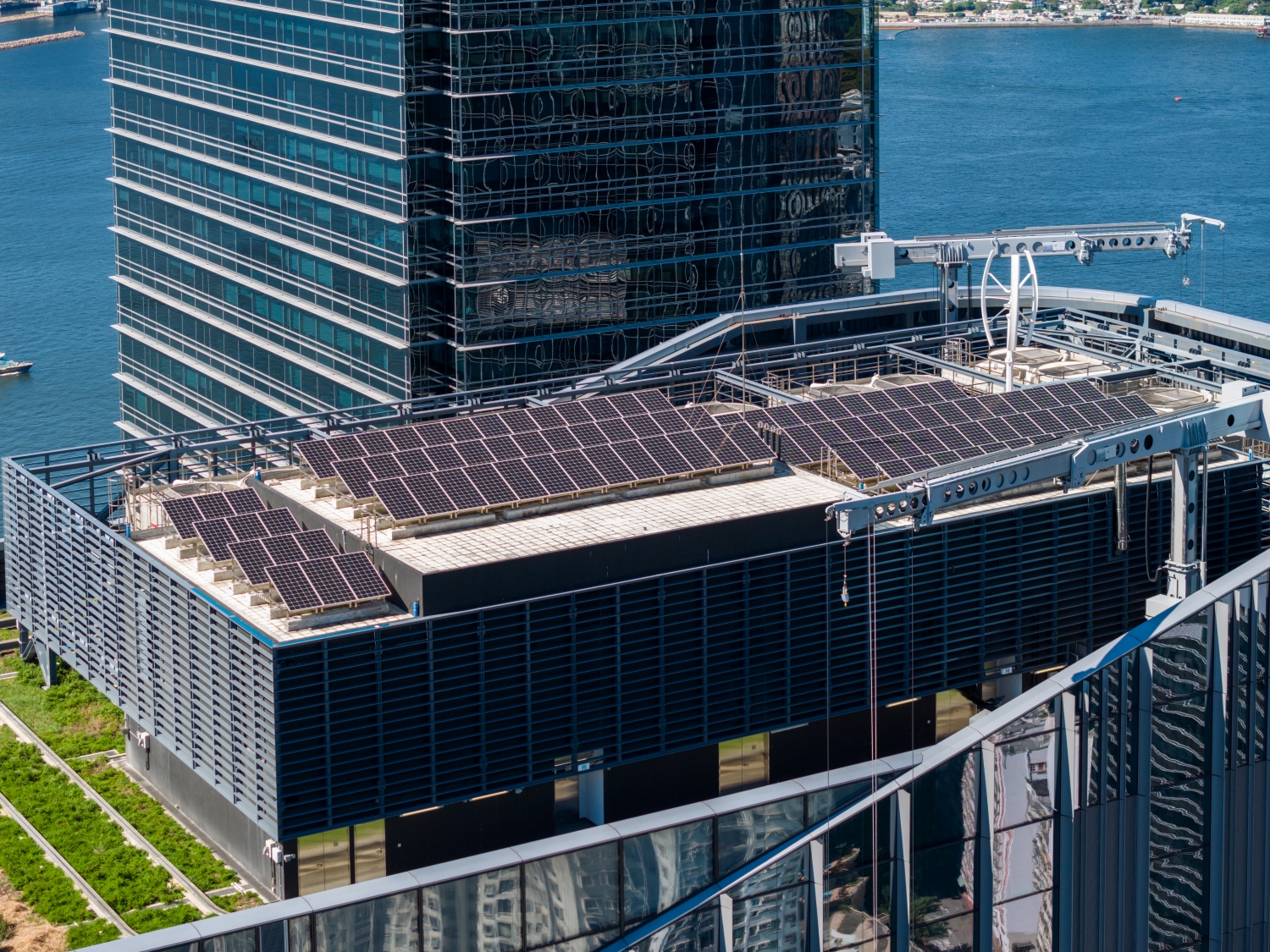
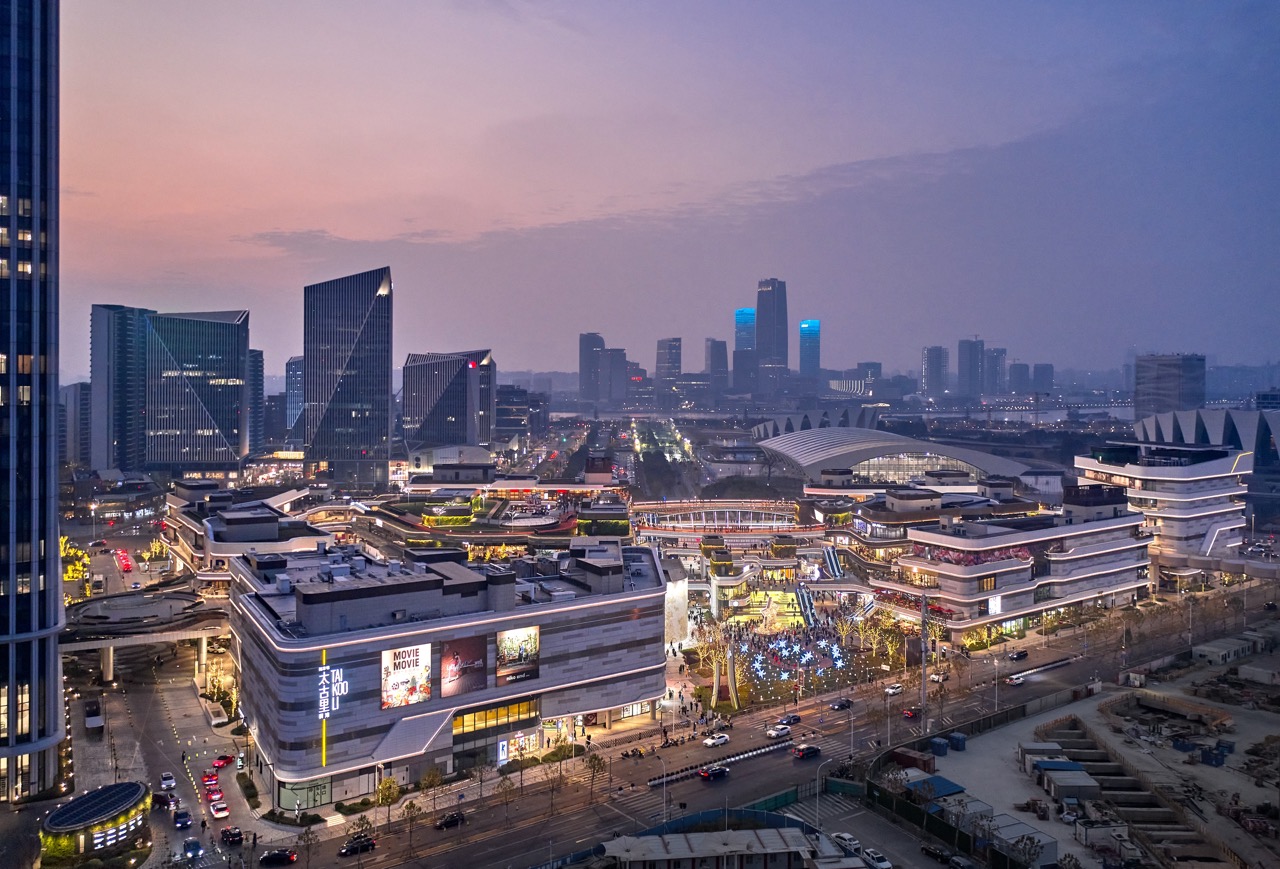
2025 was a significant milestone year for the company. We achieved the majority of the sustainability targets we set a decade ago. What I feel most proud of is delivering a 52% absolute reduction in our Scope 1 and Scope 2 emissions, alongside a 63% reduction in carbon intensity (Scope 3) associated with tenant operations, surpassing both our 2025 and 2030 Science-based Targets. These were made possible by innovative energy efficiency measures, renewable energy adoption and collaboration with tenants through initiatives such as the Green Performance Pledge (GPP). As a result of our efforts, over 88% of the electricity consumption across our Chinese Mainland portfolio is now powered by renewable energy, enabling net-zero emissions for both landlord and tenant operations.
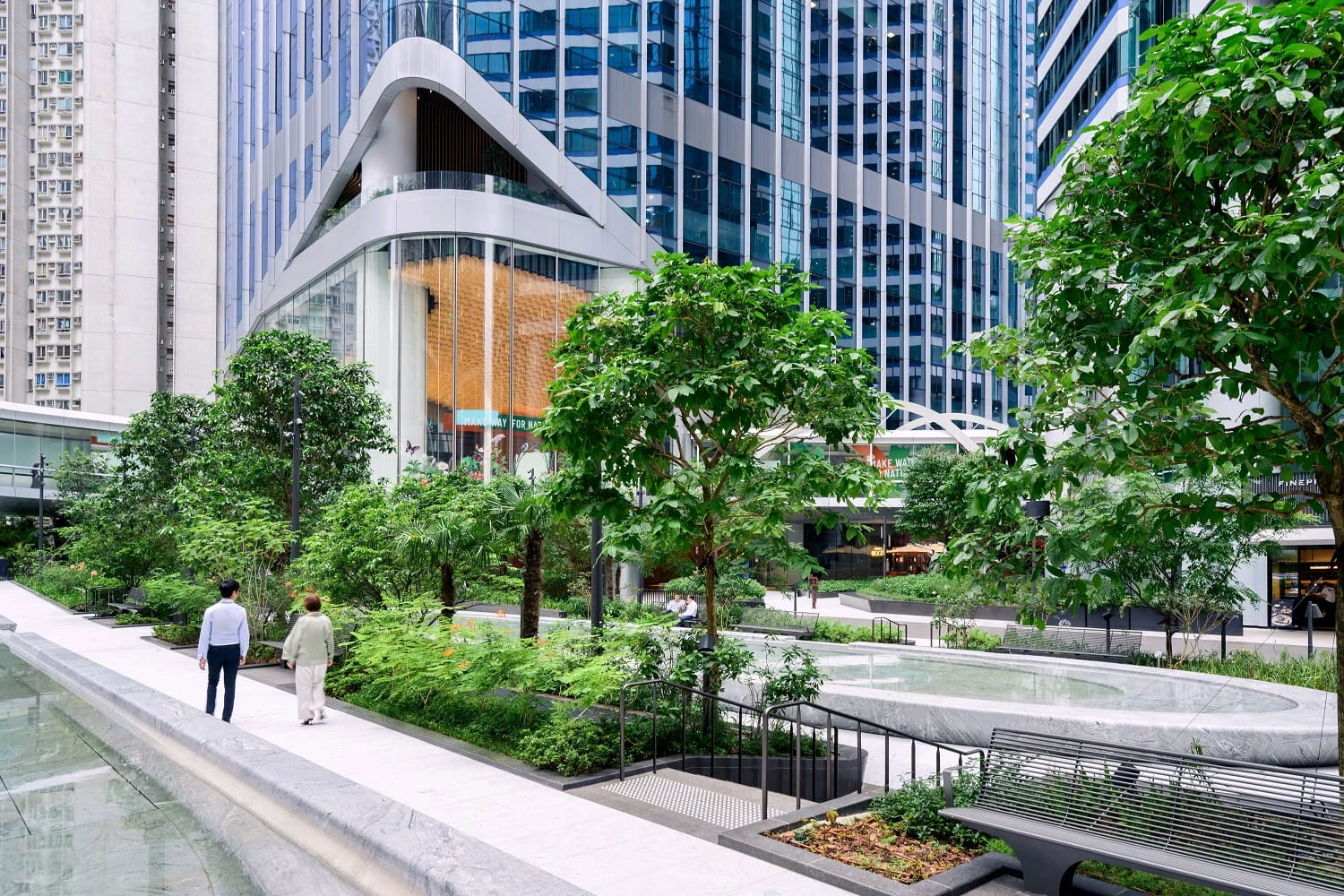
Alongside that, we have continued to focus on building resilient, wellbeing-oriented communities and strengthening partnerships. Across our Taikoo Place and Pacific Place portfolios, a total of 16 buildings have obtained quadruple Platinum certification, in the BEAM Plus, LEED, WELL and WiredScore schemes. These initiatives position us well for the next phase of our journey.
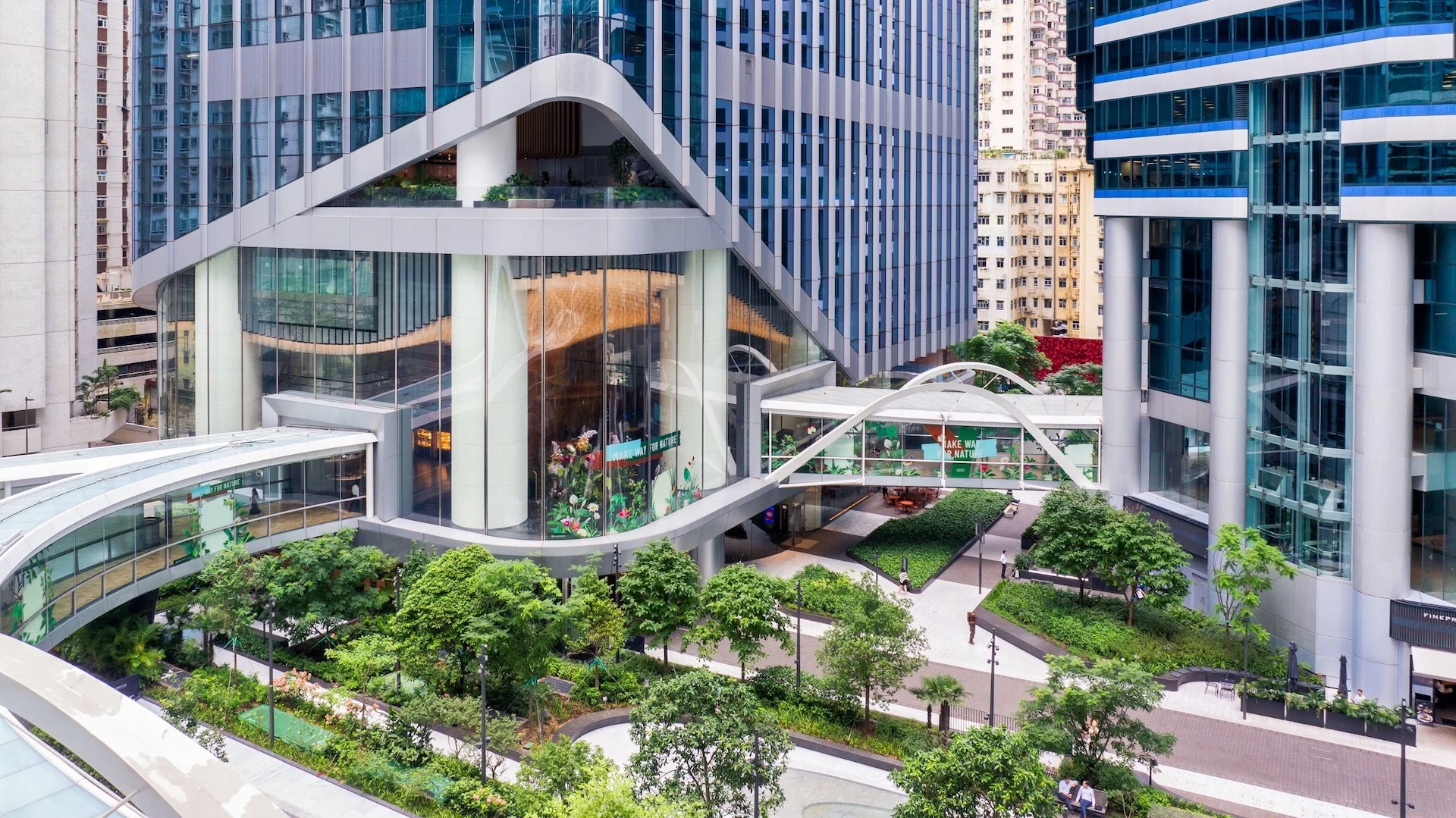
Given the uncertainties around climate change and rapidly evolving technology, what were the biggest unknowns the team had to navigate when setting the SD 2050 Strategy?
Patrick:
The biggest unknowns were how quickly climate-related risks and technologies would evolve—and which solutions would truly scale over time. At the same time, expectations have continued to shift. Tenants are more climate-conscious due to increased exposure to climate risks, wellness has become a bigger priority, and COVID-19 showed us just how quickly we might need to rethink how buildings operate and how people use space. That experience made it clear that a fixed roadmap simply wouldn’t work. So instead, we focused on building resilience.
And that’s really why sustainability matters here—it helps us stay adaptable and resilient in the face of that uncertainty. Research suggests that buildings with strong sustainability credentials can fetch up to a 10% green premium, while those with weaker sustainability and governance practices risk brown discounts of up to 20%¹. We’re seeing clear demand from tenants and consumers for more sustainable, experience-led spaces. It also supports better access to green financing and helps attract talent. All this helps future-proof the business in a rapidly changing market.
¹ Knight Frank, Through the Occupiers’ Lens: Rethinking ESG Priorities in the Office Sector (May 2025), https://www.knightfrank.com.hk/blog/2025/05/23/through-the-occupiers-lens-rethinking-esg-priorities-in-the-office-sector.
The SD 2050 Strategy represents a significant evolution from SD 2030—what’s new?
Patrick:
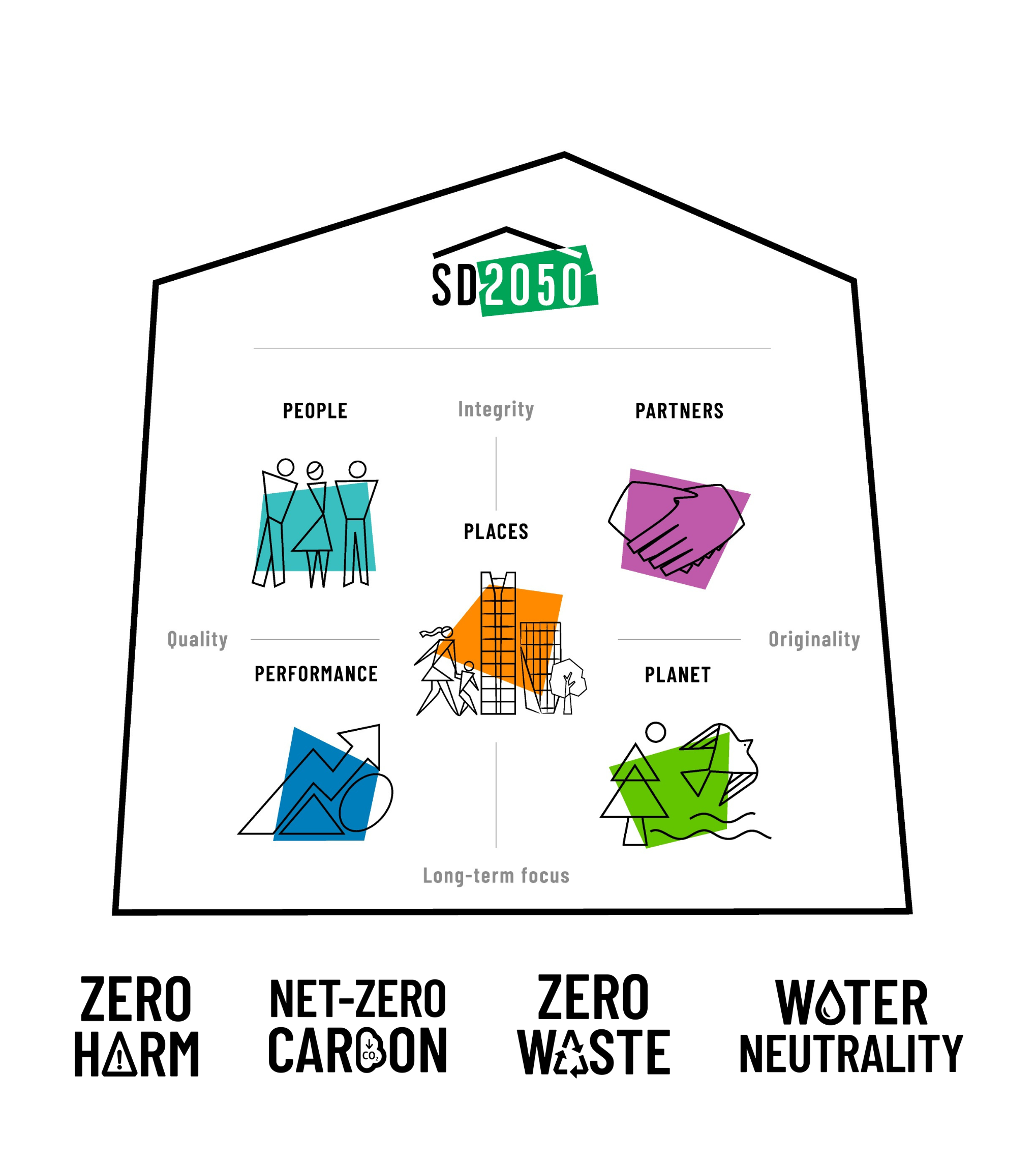
SD 2050 marks a meaningful evolution, guided by a clear vision: Building the World’s Most Sustainable Communities. At its core is a mission to lead transformative change across the built environment, harmonising business, people and nature. While the strategy continues to be structured around five strategic pillars, the framework has been refined to reflect our growing ambition amid shifting global megatrends.
We’ve expanded our focus areas to include topics such as evaluating and elevating the impact of our places, community investment, culture and values, and deeper collaboration with our tenants and partners. There’s also a stronger emphasis on nature and biodiversity, as well as sustainable financing. These areas are designed to work together, recognising that sustainability outcomes cannot be achieved in isolation. Central to SD 2050 are our four long-term “Zero” commitments: Zero Harm, Net-zero Carbon, Zero Waste to Landfill and Water Neutrality. To support delivery on these commitments, we have established 140 measurable KPIs for 2030 and 2035, providing a clear and robust roadmap.
You have emphasised stronger collaboration with tenants—what will that partnership look like in practice?
Patrick:
We know we can’t achieve our goals alone. At the building level, our tenants account for around 70% of our water consumption, over half of our carbon footprint and 90% of our waste. So, success depends on how effectively we help tenants integrate sustainability considerations into everyday operations.
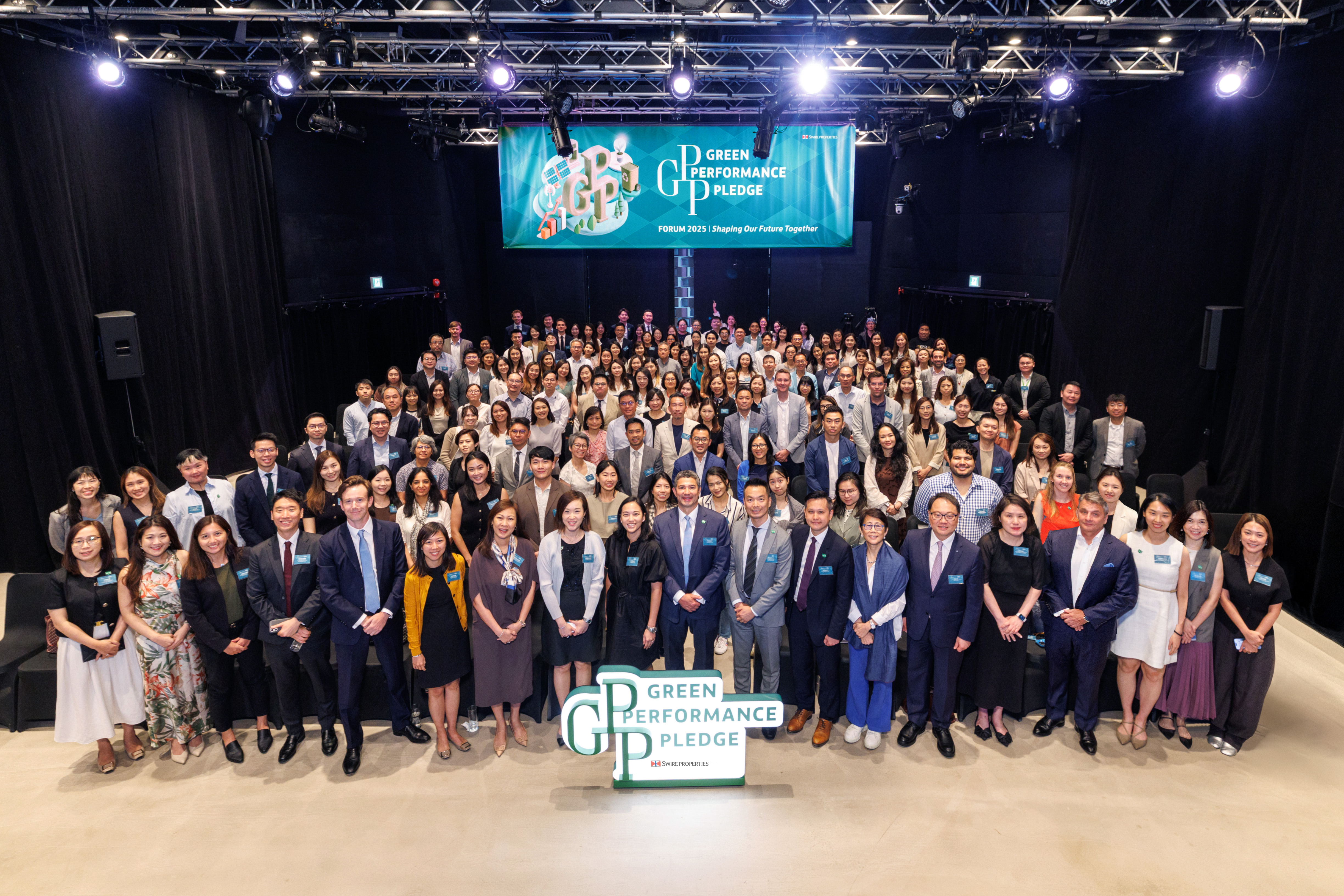
In the office sector, we are scaling up the GPP across our portfolio. We now have 66% of occupied office space supporting the initiative, with a target of reaching 80% tenant participation by 2035. We are also aiming for 30% of GPP tenants undertaking renovations in line with our Sustainable Fit-out and Renovations Guide by 2030.
Recognising that retail requires a different set of engagement tools, our Green Retail Partnership enables collaboration with global brands to rethink store design with sustainability in mind. For our F&B tenants, whose operations are typically more resource-intensive, our Green Kitchen Initiative supports the adoption of sustainable materials, as well as energy-and water-efficient equipment at both the design and operational stages. By 2030, our target is to engage 100 retail tenants in the Green Retail Partnership and 35% of our F&B tenants in the Green Kitchen Initiative.
Ultimately, it’s about aligning our goals with our tenants’ priorities and making meaningful progress together.
How have you embedded accountability into your strategy to ensure effective implementation through to 2050, regardless of leadership and organisational change?
Patrick:
From the start, we wanted to make sure that SD 2050 was seen as everybody’s job. So, we’ve embedded sustainability into our DNA—institutionalising it within our culture and governance frameworks.
The strategy itself was shaped through a very collaborative process. In-depth engagement with internal pillar working groups and town halls involving hundreds of colleagues ensured that insights from across regions, functions and operational levels informed the development of priorities and targets. This helped build a real sense of ownership and alignment.
At the same time, strong oversight from the Board and ESG Steering Committee provided clear accountability and direction, particularly in embedding sustainability considerations into core business functions such as budgeting, risk management and financing. This combination of robust and inclusive governance is what gives the strategy staying power, even as leadership and organisational structures evolve over time.
As the leader of SD 2050, where do you personally feel the greatest pressure? Can you tell us what keeps you motivated in this role despite the pressures?
Patrick:
There’s definitely a sense of pressure in the role—mainly in keeping the business future-ready and supporting our bold ambitions while expectations from investors, tenants and peers continue to rise. But I see that as positive motivation. It keeps us moving forward and pushes us to do better.
What really motivates me, though, is personal. As I said earlier, I’ve always loved nature. I’ve been trained as an ecologist, and I’ve been fortunate to bring that profession and passion into my work. Through initiatives like our Nature Transition Plan and my involvement in the global Taskforce on Nature-related Financial Disclosures (TNFD), I’ve had the chance to shape nature-positive outcomes at both company and policy levels in a global context.
This work is a constant reminder that the air we breathe, the water we drink and the food we eat all rely on healthy natural ecosystems. So too does our global economy—everything is connected. This reinforces the importance of ensuring that, as we grow, we actively contribute to protecting and restoring natural systems.
With this in mind, what matters most to me is stewardship for future generations. Our work is about creating places where we can all progress in balance with nature, contributing to communities that are inclusive, resilient and ready for what is to come. The opportunity to drive that kind of meaningful, lasting impact with my talented team is what continues to motivate me every day.
Learn more about Swire Properties’ SD 2050 Strategy on the dedicated website.
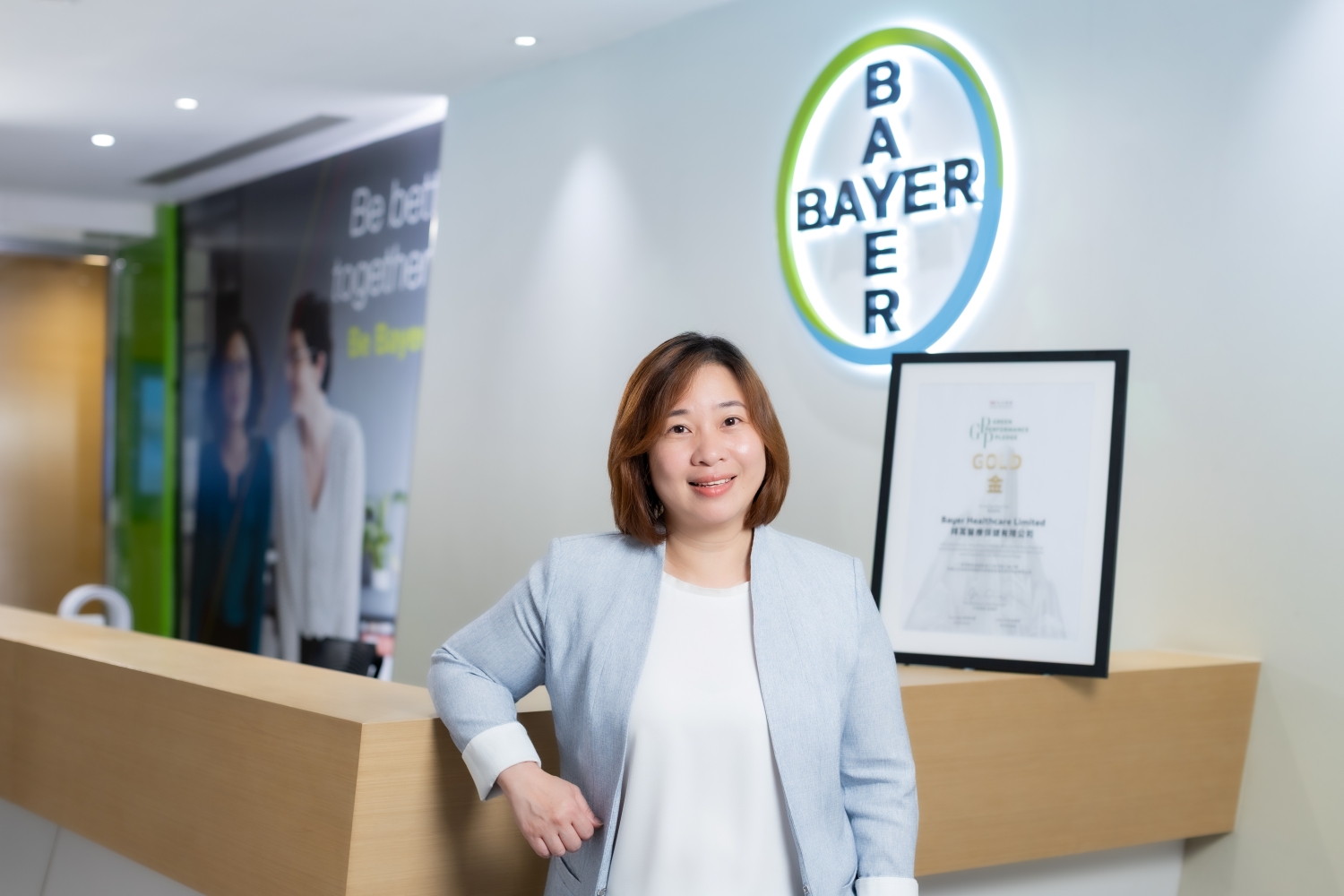
The GPP is our flagship programme towards achieving our SD 2050 Strategy and longstanding commitment to fighting climate change, in joint efforts with our office tenants in Hong Kong and the Chinese Mainland. Learn more about the programme on the GPP Website.