Tenant Spotlight – WTW’s Jayne Bok on Why the Soft Stuff is the Hard Part of Change
20 Nov 2026
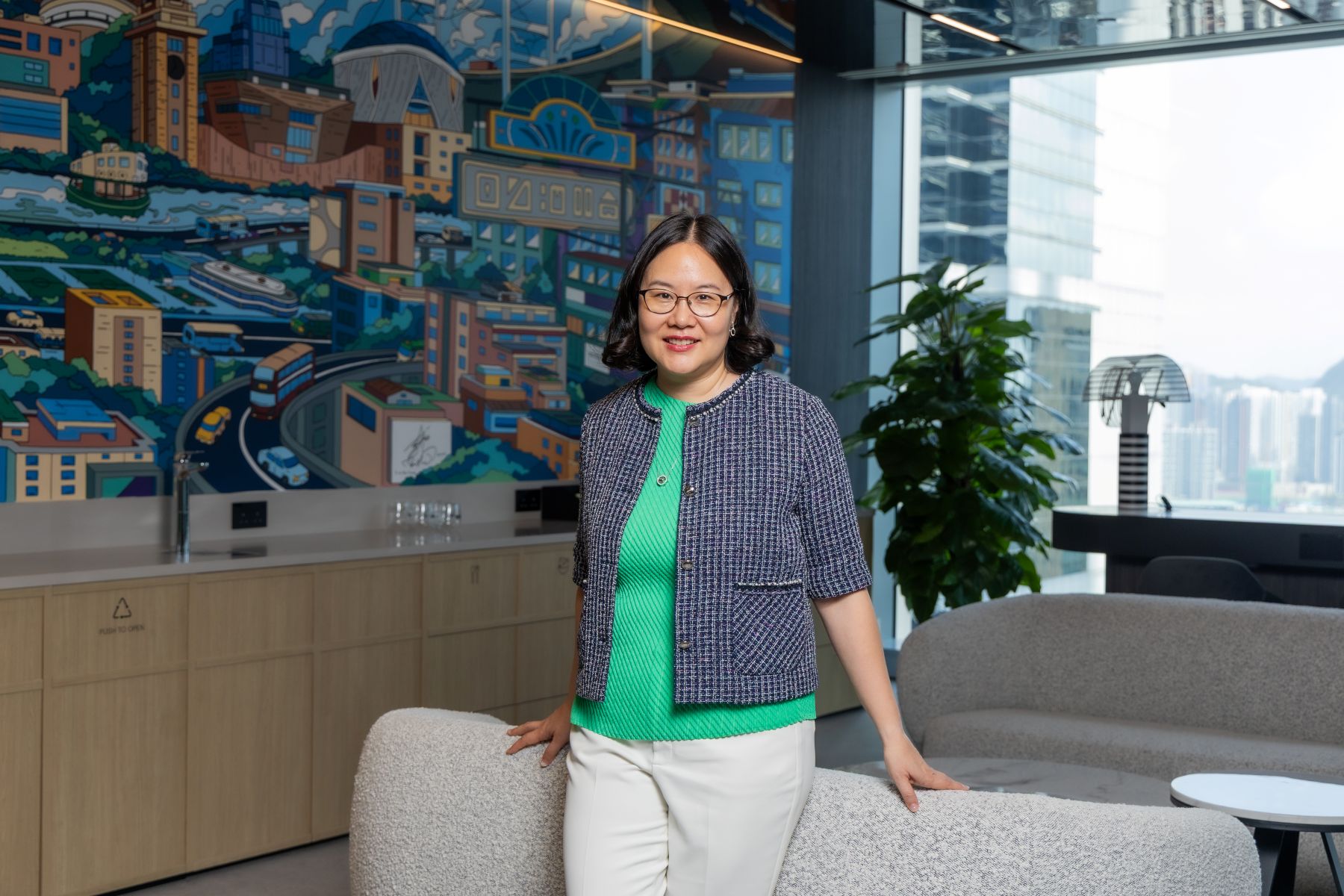
Jayne Bok has spent more than 25 years at WTW, a leading global advisory, broking and solutions company.
In that time, she has moved from organisational consulting in Korea to leading the investments business across Asia. She now heads WTW in Hong Kong and Macau alongside her regional investment role and chairs the board of the CAIA Association.
What connects those roles is a curiosity about how organisations work: the people inside them, the decisions they make and the systems around them. It also shapes how Bok thinks about sustainability. Data and governance matter. But, as she puts it, “the soft stuff is the hard part of change”.
Your career has moved across people consulting, retirement and investments. What connects those different parts of your career?
Jayne:
I’m a business major and never expected my career to start in HR consulting. But in hindsight, it was a valuable introduction to everything that makes an organisation work — governance, culture, people and incentives. Those lessons have carried through into my work today.
I then became involved in retirement and pensions consulting, which drew me towards investments. Switching disciplines mid-career wasn’t necessarily easy, but it taught me to look at issues from different angles.
How has working across disciplines shaped the way you approach complex sustainability challenges?
Jayne:
Solving complex problems requires multi-dimensionality. With sustainability in particular, there are just so many different facets. If you’re one of those people who only goes straight from A to B, you’ll miss what’s in between. Problems are multi-dimensional. You need people who are also multi-dimensional to be able to solve them. It’s simple logic.
At WTW, we call this being a “T-shaped” individual. You can imagine what a T looks like. These people have deep knowledge in their own field—the vertical of the T that gives them credibility — and the breadth to connect with people in other disciplines. That’s how they see the whole problem, rather than just one part of it.
"Problems are multi-dimensional.
You need people who are also multi-dimensional to be able to solve them."
Personally, I’ve always been curious. I enjoy meeting people, understanding their perspectives and connecting ideas that don’t normally sit together. Often the best solution comes from bringing together the right people, not trying to have all the answers yourself.
The other word I’m going to leave with you is “systems thinking”: understanding that whilst you’re part of a larger system, you can also influence that system at a certain scale. It helps you consider how decisions in one part of an organisation connect with everything around them.
We see that with large asset owners. Their long-term outcomes depend not just on what they own, but also on the health and resilience of the wider system in which their assets operate. They have an interest in helping that system work better, and the ability to influence it for good.
Have investors always looked at sustainability that way? When did it become part of mainstream decision making?
Jayne:
Ten or fifteen years ago, it really felt like you were rowing upstream. You might get one sustainability panel at the end of an investment conference, and people would skip it because it felt a little soft and fluffy.
Then I saw two shifts. The first was when sustainability went from a concept to something tangible, with real resources behind it — metrics, measurement, reporting and teams. People needed that information and support, because without it you can’t set a clear strategy. This was around 2019 and 2020, when it really felt like the sustainability boat had caught the current.
The second shift was when sustainability started making its way into boardroom conversations, shaping policies, governance and investment beliefs. That’s when it started influencing decisions: which risks get attention, which opportunities receive capital and what gets discussed. Some funds even require a go/no-go vote from their ESG team at board and investment committee meetings.
Not every investor sees it in the same way, but it is no longer simply a conversation at the end of a conference.
But getting sustainability into the boardroom is one thing. What makes it so difficult to turn policy into action?
Jayne:
Organisations don’t necessarily lack data or ideas. The difficult part is getting people to change how they work and behave.
We break organisations into boxes and silos; that’s basically what an org chart is. But sustainability doesn’t work like that. It cuts across those functions. You can make a big announcement that everybody agrees with, and then everybody goes back to their day jobs.
To make change happen, you need people who can work across those silos. That’s where T-shaped people and systems thinkers can really make a difference.
And that’s why I say the soft stuff is the hard part of change. You can get the technical analysis right and have the information you need, but if people don't understand why it matters and take ownership, very little actually changes.
Governance creates accountability, but culture helps people make things happen. You need somebody creating the impetus, the why, and then you need to get the team behind it. It really is a team sport.
Leaders who spend time and resources on that softer side can make a bigger difference. But in a world where people are focused on the next quarter, it’s very hard to devote sufficient oxygen to it.
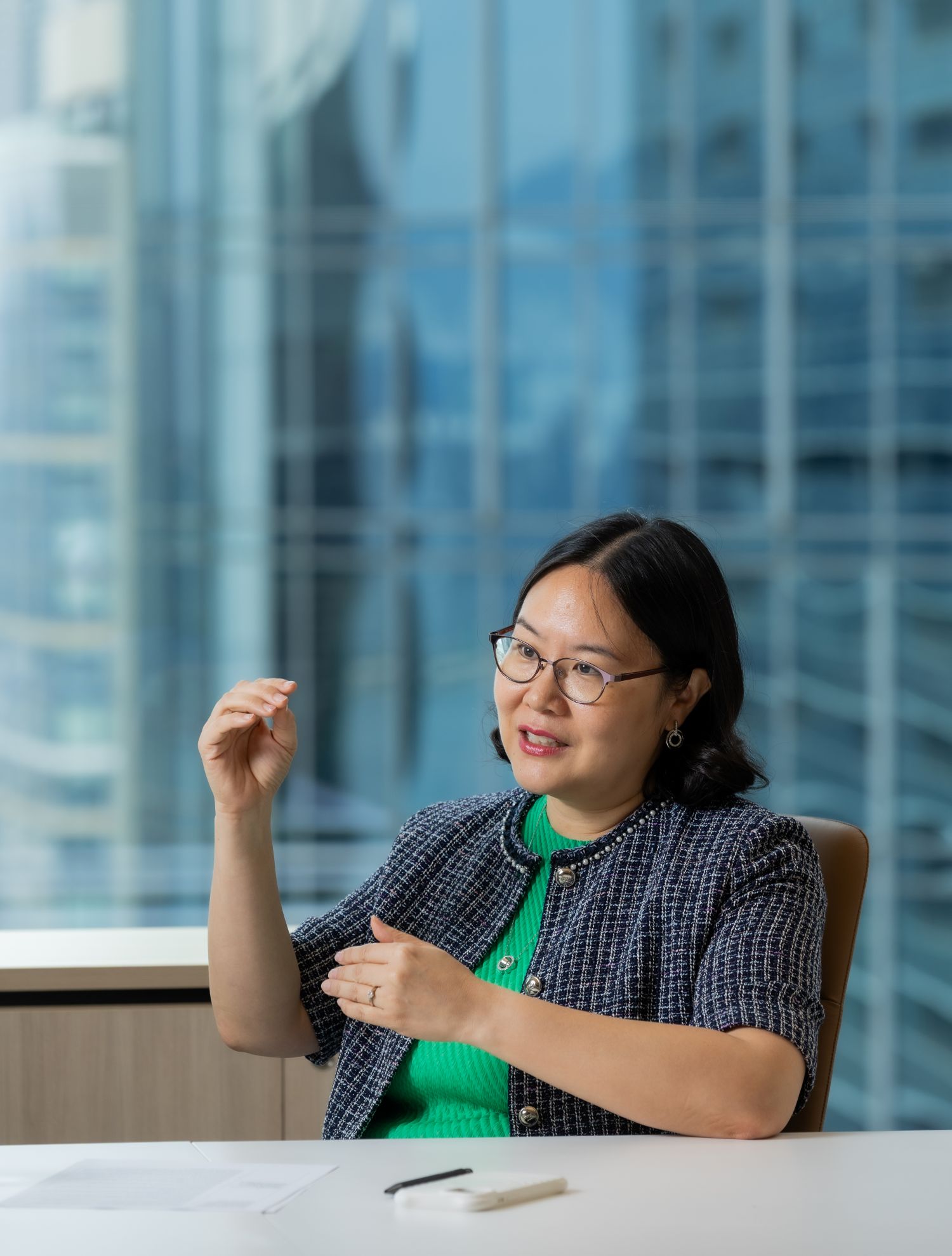
"You need somebody creating the impetus, the why, and then you need to get the team behind it. It really is a team sport."
You’ve spent years advising boards and leaders to create those conditions. Now that you’re leading WTW Hong Kong and Macau, how are you putting those ideas into practice?
Jayne:
The first thing I did was a listening tour. I spent time with our business and functional leaders, asking open-ended questions: what could we be doing better? What would make collaboration easier? Where are the opportunities we’re not seeing? When you give people the space to think, you learn a lot.
I also don’t believe in collaboration for collaboration’s sake. People don’t need more meetings; they need relevant connections that actually help them do their jobs. Part of a leader’s role is to find the people who can make those connections and give them the mandate to act.
I’m trying to do the same for our cross-functional employee groups, including the one that focuses on sustainability, as well as our wellbeing and young professionals groups. Rather than asking them to seek approval for one activity at a time, I’ve been encouraging annual plans and clearer budgets. It’s a small governance change, but it gives people more ownership and room to think ambitiously.
How has the move to Two Taikoo Place helped you put that thinking into practice?
Jayne:
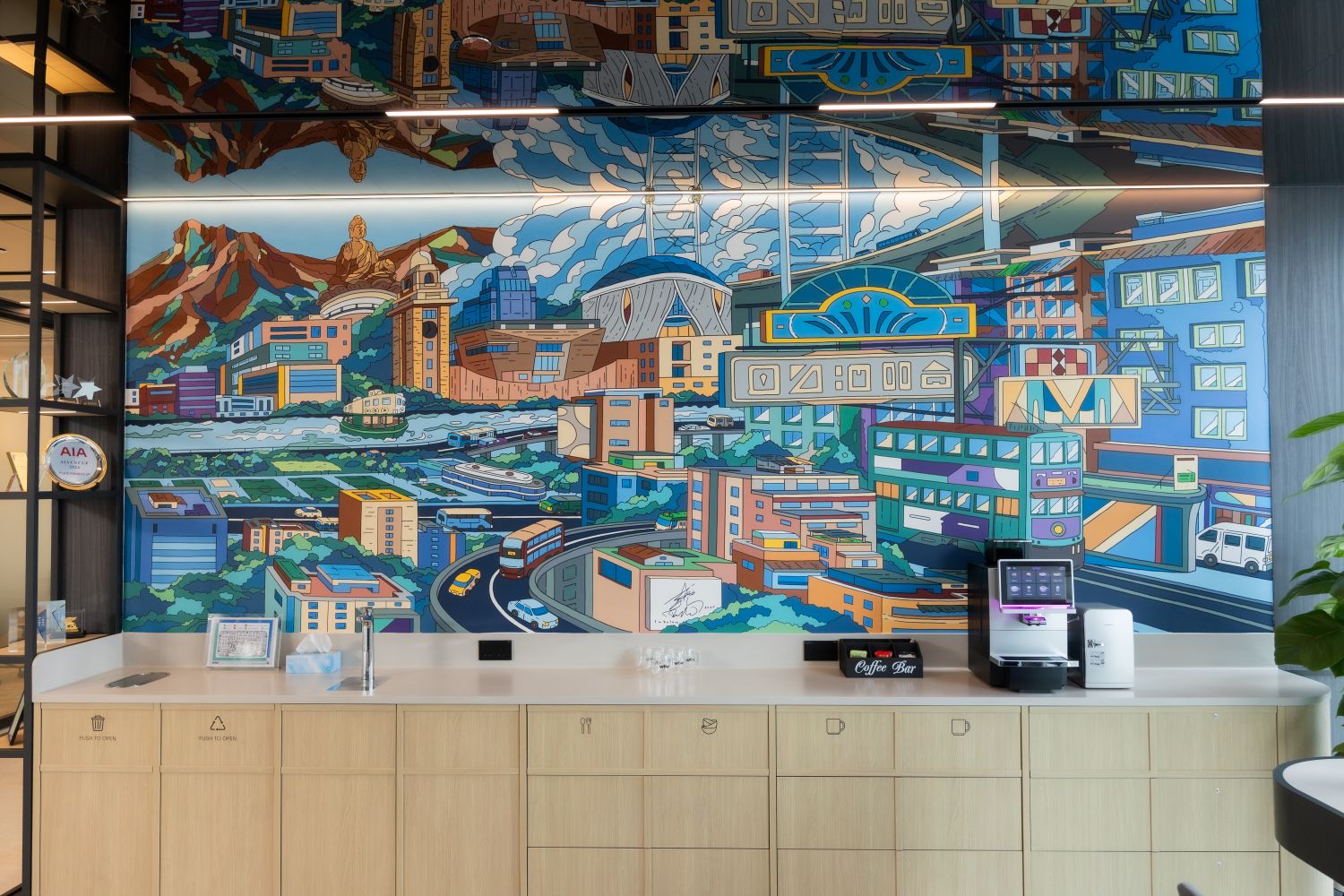
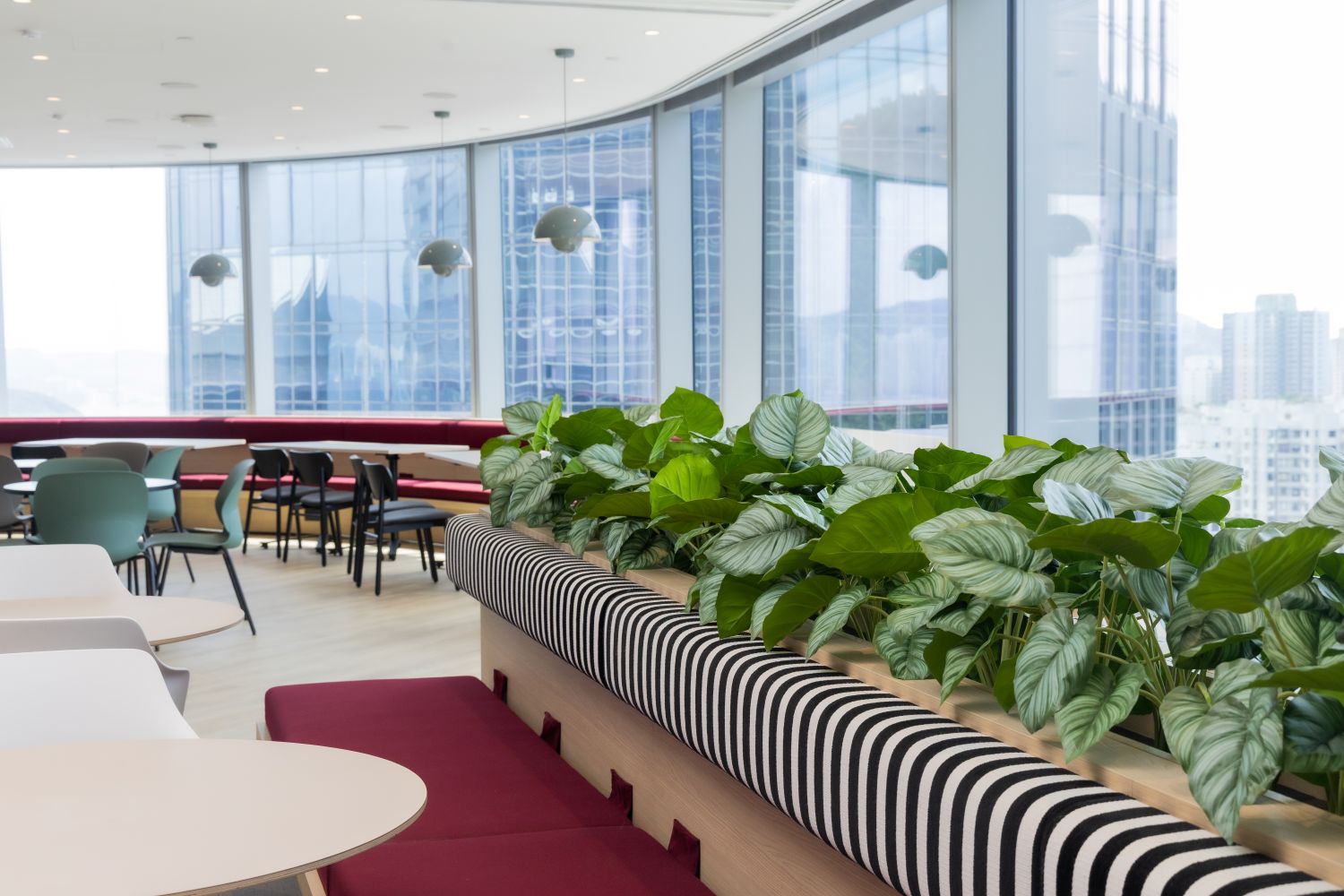
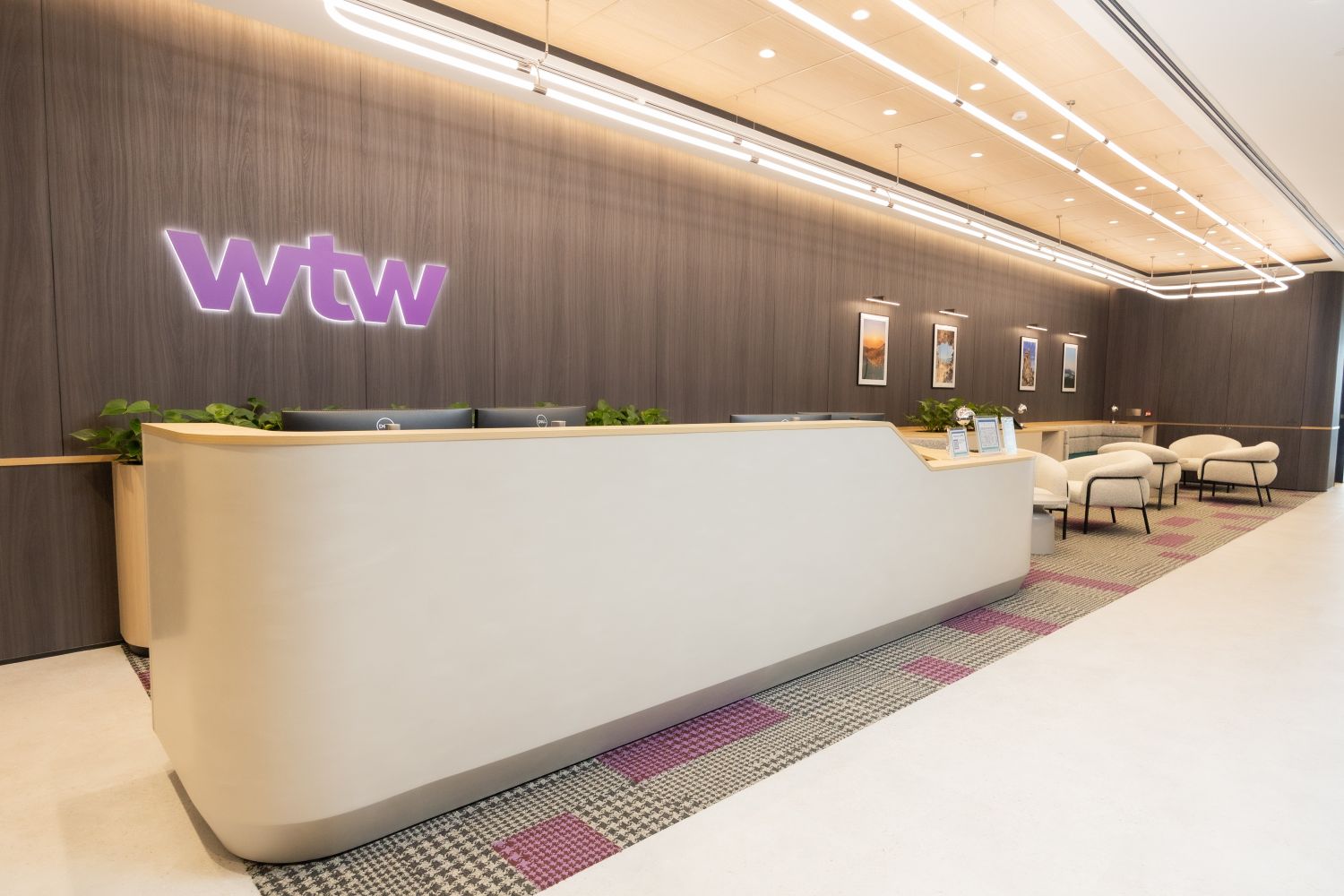
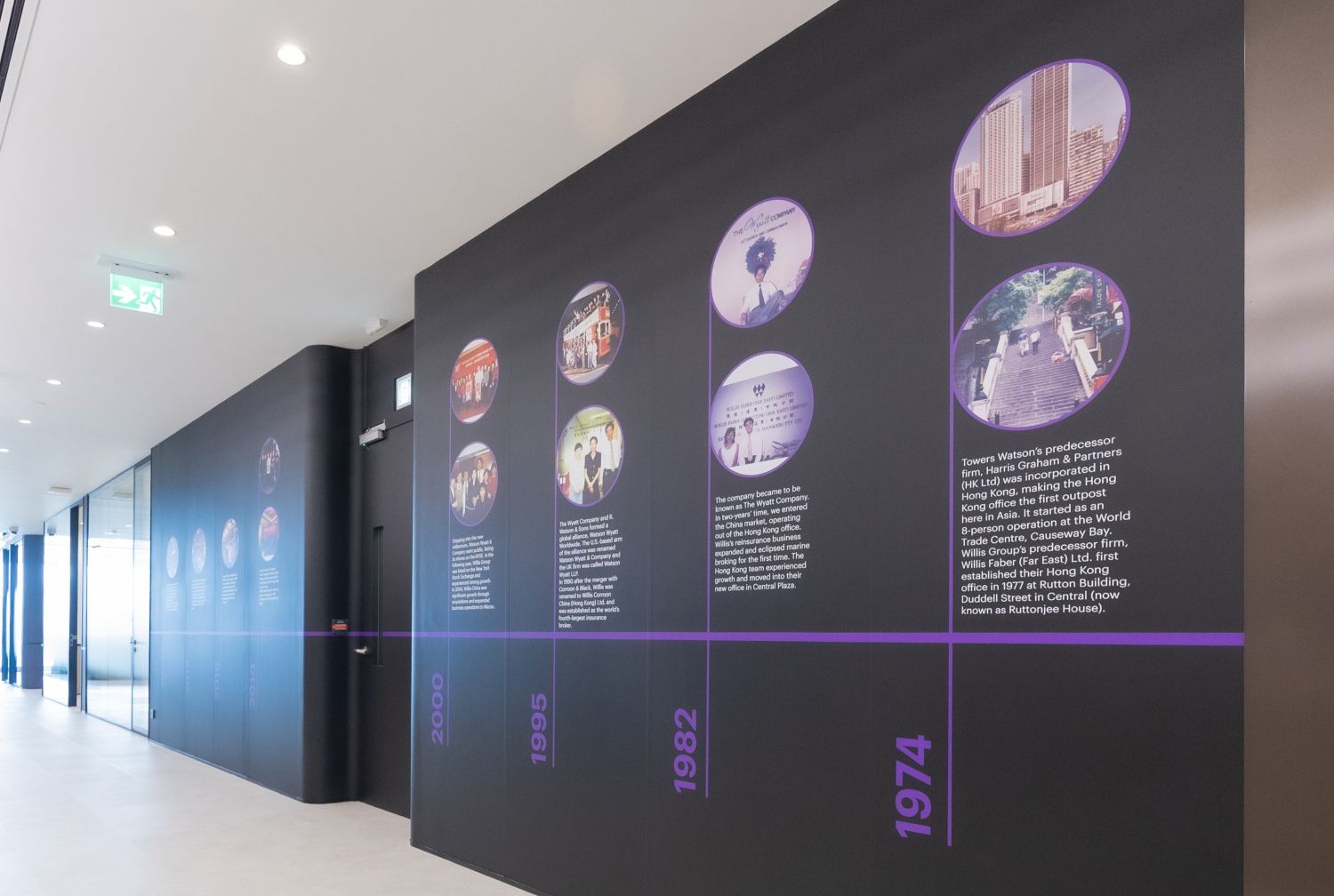
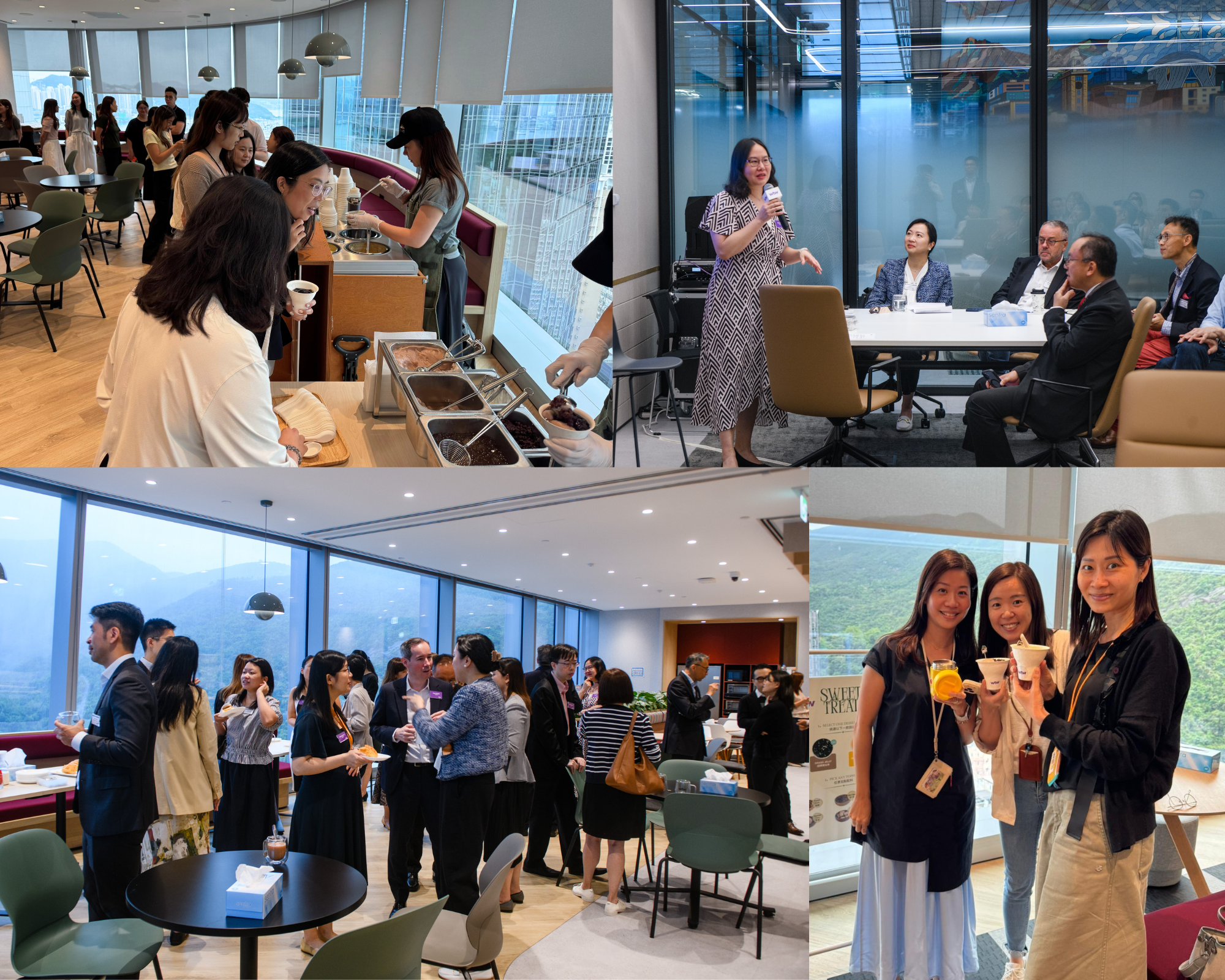
In our previous office, our teams were spread across different floors. Now we’re together on one floor in this beautiful new space that Swire Properties helped us create. Sharing the same spaces and café means I bump into colleagues from other parts of the business every day, people I might previously have seen only at a corporate event.
Since moving in March, we’ve seen a noticeable increase in colleague engagement and activity, from informal conversations and community gatherings to client events. Bringing everyone together gives us more opportunities to connect, but the important thing is how we use the space.
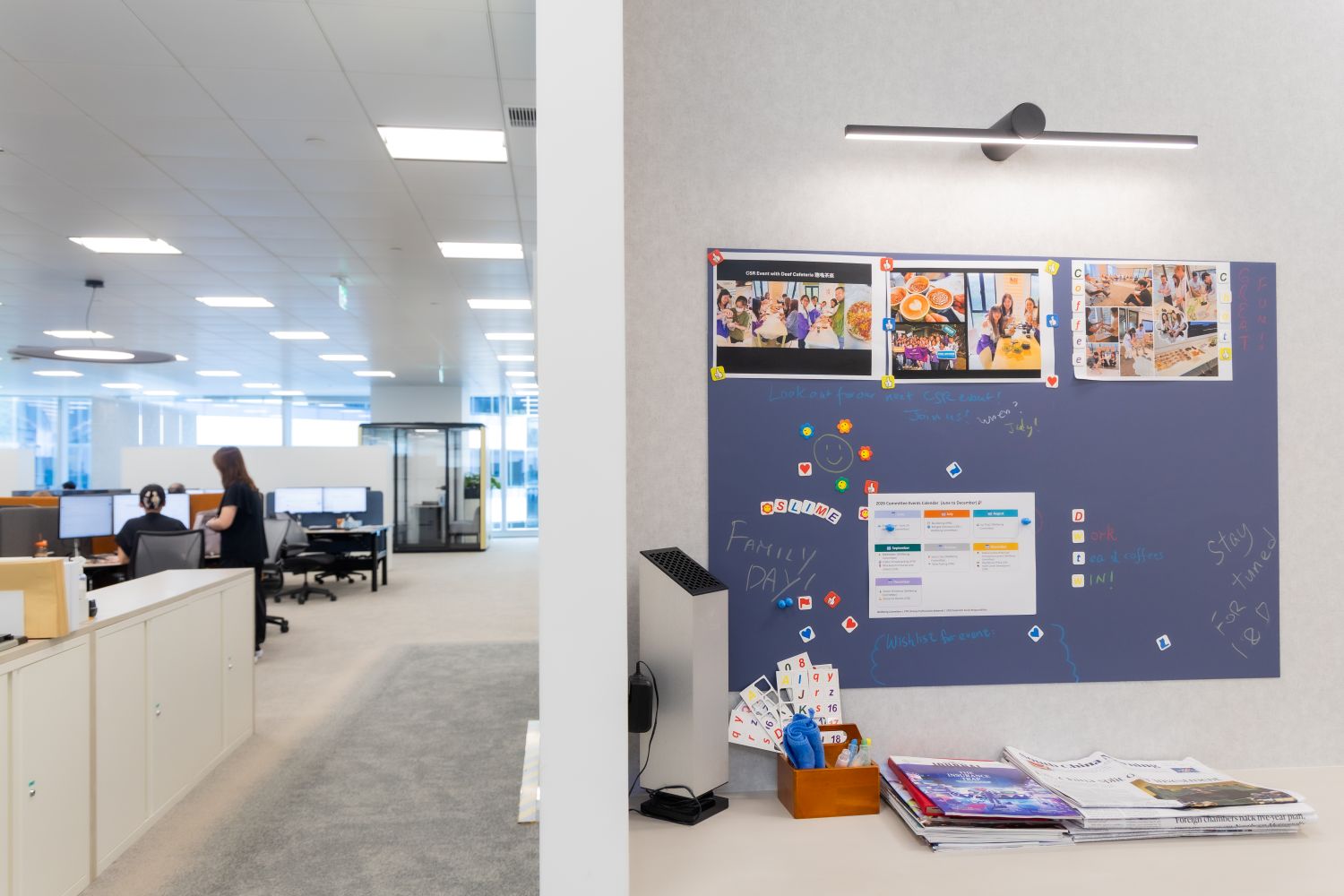
For example, a shared calendar now gives teams visibility of meeting spaces and events across the business. It’s a small change, but it helps us make the most of the space and creates more chances for colleagues to connect.
That sense of connection also comes through our colleague committees, which run wellbeing, community and sustainability activities. These might not be earth-shattering, but they show that the company cares and make WTW more than just a job. Having a space that brings everyone together makes all of this possible.
You’ve talked a lot about people and connection. How does the Green Performance Pledge (GPP) help turn sustainability ambitions into action in the workplace?
Jayne:
Data gives you a common starting point. Without it, you’re often talking about opinions. With it, you have evidence and a better basis for deciding what to do.
You can also have too much data. I’ve seen plenty of dashboards where there are so many metrics that nobody can tell what actually matters. It’s a little bit like driving a car: you don’t need dozens of indicators. You need a speedometer and a fuel gauge, but those are probably the most you’re going to look at. The useful question is: what are we actually trying to achieve?
That’s where GPP makes a practical difference. If we had to measure our own energy and water use, and pay for it ourselves, we probably wouldn’t do it as easily as we can now. The tools Swire Properties provides take some of that friction away. They help us see how our use is changing over time and where we can improve. And that’s important, because it keeps us honest.
But data by itself doesn’t create change. People do.
We've worked with Swire Properties before on climate-related risks, where much of the work involved bringing people from different functions together. Now we're also working together on our own workplace. It's not just a traditional landlord–tenant relationship, but a partnership that helps us stay focused on outcomes.
When you’re trying to do everything yourself, it can easily become, “Too busy to do this, so moving on to the next thing”. Having Swire alongside us is a little like having a personal trainer — someone asking whether you actually did what you set out to do. That kind of support can make a real difference.
Swire can also do something an individual tenant cannot: bring a community of like-minded companies together. When tenants share ideas and tackle practical challenges, they build momentum beyond their own offices. Each action may sound small, but across a community those efforts accumulate.
And what would you say to another tenant that wants to start building that kind of momentum?
Jayne:
Start with something practical and measurable. Find an area where you can make a measurable difference, involve the people affected and focus on building momentum rather than trying to solve everything at once.
And don’t underestimate the value of a good partner. It’s much easier to make progress when you’re working alongside people who genuinely care about the outcome and help keep you honest.
The GPP is Swire Properties' flagship programme towards achieving our SD 2050 Strategy and longstanding commitment to fighting climate change, in joint efforts with our office tenants in Hong Kong and the Chinese Mainland. Learn more about the programme on the GPP Website.